

The Sensory Cup analogy can serve as a helpful tool to explain sensory processing and promote understanding and support for individuals with sensory sensitivities. Imagine your brain as a cup, and sensory input as the liquid that fills the cup. Just as a cup can hold a certain amount of liquid before it overflows, our brains have a threshold for how much sensory input they can handle before becoming overwhelmed. Sensory processing difficulties are unique to each individual, and their cups may have different capacities and sensitivities.
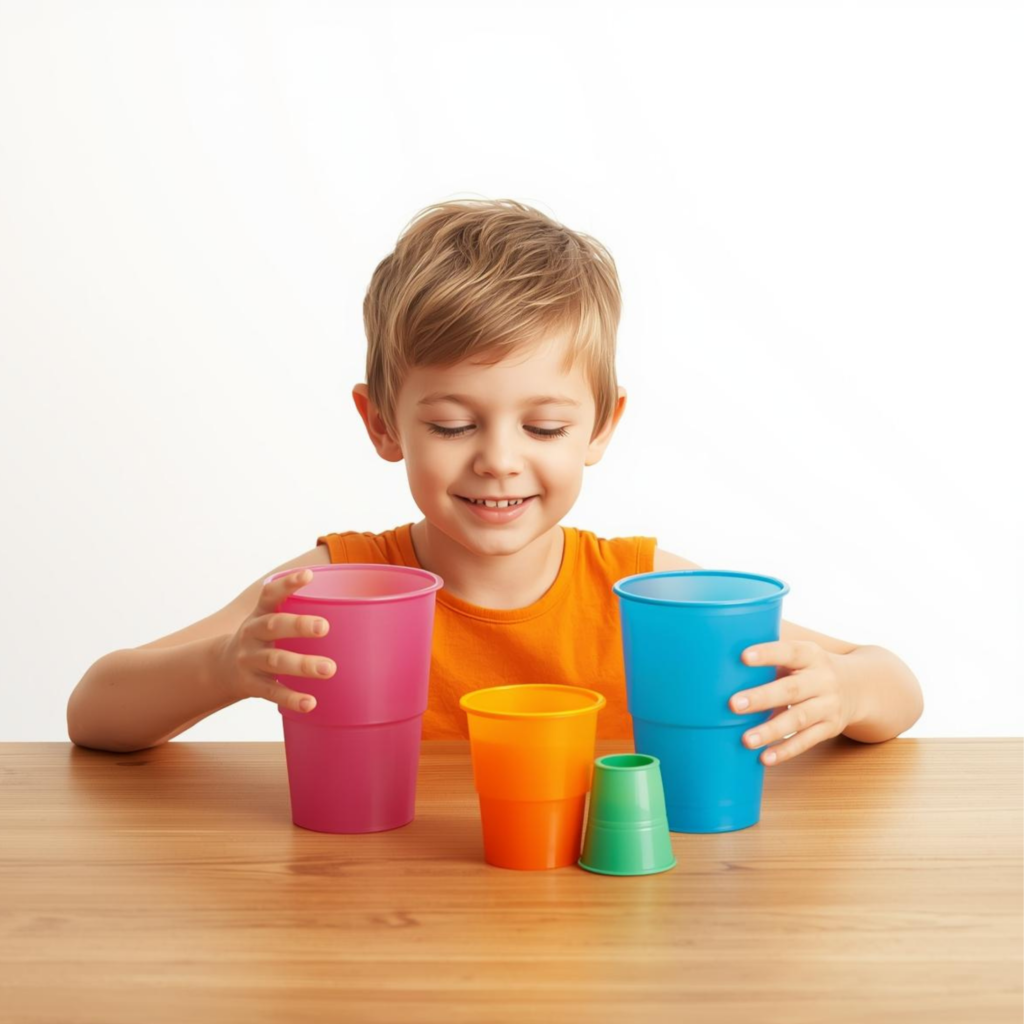
Cup Size
Each person’s cup (brain) is unique and has a different capacity for sensory input. Some individuals may have a small cup, meaning they can tolerate less sensory input before reaching their threshold, while others may have a larger cup and can handle more sensory input.
Sensory Input
Just like various liquids can fill a cup, our daily environments are filled with different types of sensory input: sights, sounds, smells, tastes, and touch. These sensory inputs include bright lights, loud noises, strong smells, certain textures, and more.
Sensory Processing
Sensory processing refers to how our brains interpret and respond to the sensory input we receive. For individuals with sensory sensitivities or sensory processing difficulties, their cups may fill up quickly or become overwhelmed even with small amounts of sensory input.
Overflow
When the cup overflows, it represents sensory overload or overwhelm. Overflow can lead to various reactions, such as anxiety, discomfort, irritability, or withdrawal. Individuals may exhibit different coping mechanisms to manage or avoid overflow, such as covering their ears, seeking solitude, or becoming agitated.
Regulation and Sensory Tools
Just as we can pour some liquid out of a cup to prevent overflow, individuals can engage in sensory regulation techniques to manage their sensory input and prevent overwhelm. Consult your Occupational Therapist for regulation techniques specific to your child’s needs.