
Toilet Training Tips for Children on the Autism Spectrum at Home

Toilet training is a big milestone for every family, and for autistic children it can simply look a little different. Your child may be ready at a different age, take more time, or need the steps and the environment adjusted to suit how their body and brain work. None of this means anything is wrong. […]
Teaching Self-Care Skills to Children With Developmental Delays
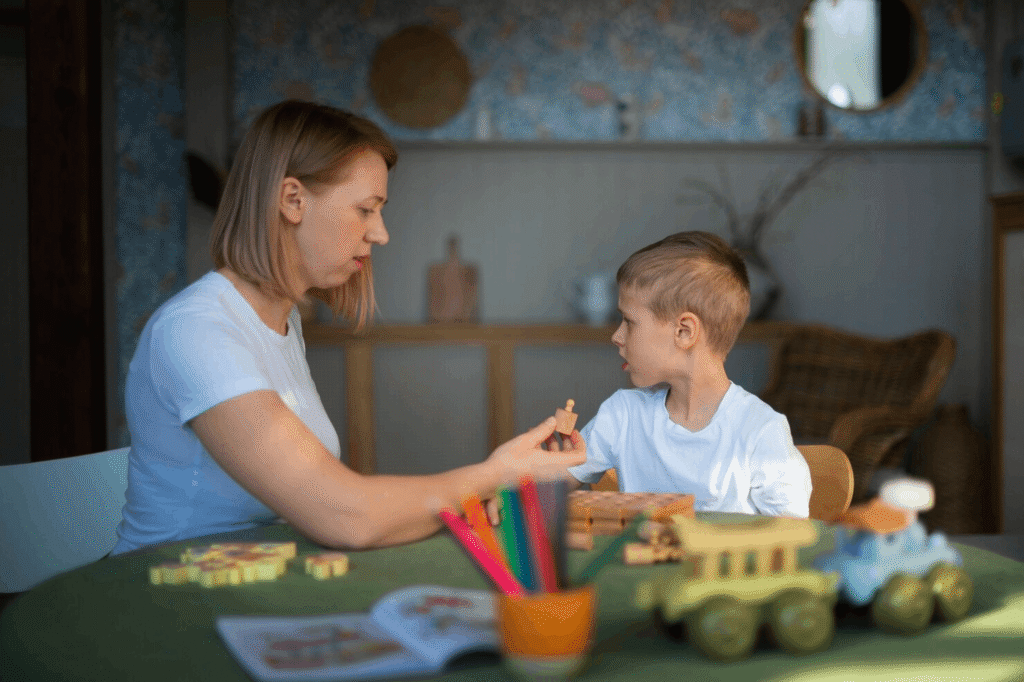
Every child grows into independence at their own pace, and for children with developmental delays, everyday self-care skills can simply need a little more time, practice and support. Tasks like getting dressed, eating a meal or using the toilet involve more steps than they first appear. When we understand what a child’s body is working […]
Finishing First: Using Backward Chaining to Build Self-Care Skills

Getting dressed looks like one task, but it is really a whole string of smaller ones. Find the front of the shirt, pull it over your head, find the arm holes, push each arm through, tug it down. That is a lot of steps woven together, and for many children it can feel like a […]
NDIS Early Childhood Intervention and What Parents Need to Know

Noticing that your child is doing things differently, or later, than other children their age can be an unsettling experience. You may have heard the phrase early intervention, or been told to contact the NDIS, without anyone explaining what that actually involves. The good news is that support in Australia is designed to start early, […]
Zones of Regulation Explained: Helping Children Cope

Many parents first hear about the Zones of Regulation when their child comes home talking about being in the blue zone or the red zone. The framework has become a common language in Australian schools and therapy rooms, yet it is not always clear what the colours mean or how they help. This guide explains […]
How Occupational Therapy Supports School Participation

School asks a lot of children. Sitting on the mat, managing a lunchbox, holding a pencil, lining up, making friends, following instructions delivered to a whole class, and doing all of it in a busy, noisy room for six hours a day. For some children, one or more of these demands gets in the way […]
Home, School or Clinic? How We Decide Where (and How Often) Therapy Happens

One of the questions we hear most often from families is simple but important: where should therapy actually happen? Should sessions be at home, at school, in the clinic, or some mix of all three? And how often is “enough”? There’s no single right answer. The best setting depends on what your child, teen or […]
Hand-Over-Hand “Help”: When Good Intentions Can Get in the Way
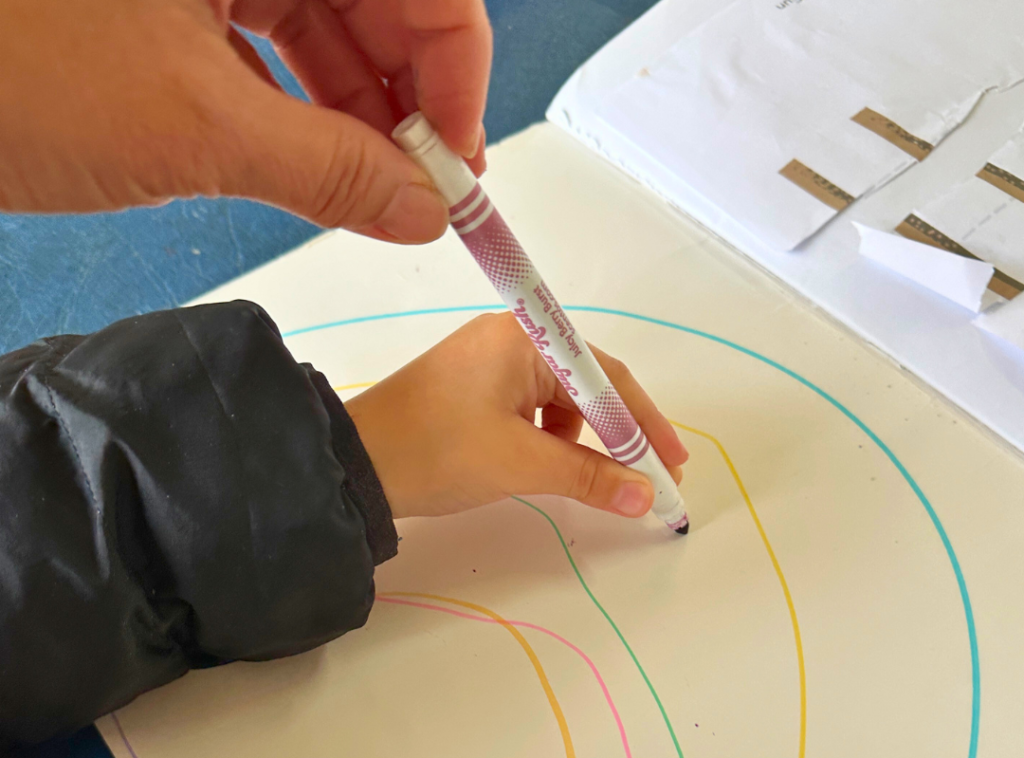
If you’ve ever gently guided a child’s hand to help them write their name, finish a puzzle, or press a button on their AAC device, you’re not alone. Hand-over-hand assistance is one of the most commonly used support strategies in classrooms, therapy sessions, and homes. It feels helpful. It gets the task done. But research […]
Signs Your Child May Need an Occupational Therapy Assessment

“Is this just a phase?” It’s one of the most common questions parents bring to us. And it’s a fair one. Children develop at different rates, and not every difficulty signals a problem that needs professional support. But some patterns are worth paying attention to. If your child’s challenges are showing up consistently across settings, […]
Autism and Sensory Needs Explained for Parents of Young Children

If your child has recently been diagnosed with autism, or if you have started noticing sensory behaviours that seem more intense than those of other children their age, you are likely looking for answers. Sensory differences are one of the most common and significant aspects of autism in young children, and understanding them is one […]