Occupational Therapy Assessment Services
Comprehensive Assessments to Guide Understanding and Inform Next Steps
If you’re seeking an occupational therapy assessment, it’s often to gain clarity about what support may be most helpful.
You may be a parent wanting a clearer understanding of your child’s strengths, a school looking to support participation and learning, or a family navigating funding or planning, including whether equipment or assistive technology could support safety, independence, or everyday participation.
At Learn For Life OT, our assessment services are designed to provide practical, meaningful insight into everyday life, not just scores on a page. We take a strengths-based, real-world approach that supports families, schools, and funding bodies to make informed, thoughtful decisions about next steps.



Who These Assessments Are For
Supporting Understanding Across Home, School, And Community
Occupational therapy assessments may be helpful when:
- You want a clearer understanding of strengths, support needs, or everyday participation
- A school requires information to guide classroom support or funding applications
- Equipment or assistive technology is being considered to support safety, independence, or participation
- Funding bodies require evidence for planning, reviews, or goal setting
- Transitions, changes, or new supports are being explored
Assessments are available for children, adolescents, and adults, depending on individual needs and context.

Types Of Assessments We Offer
NDIS Functional Capacity Assessments
Functional capacity assessments provide a detailed understanding of how a person manages everyday activities across home, school, work, and community life.
These assessments are commonly used to support NDIS planning, reviews, and goal setting, with a strong focus on real-world participation rather than abstract measures.


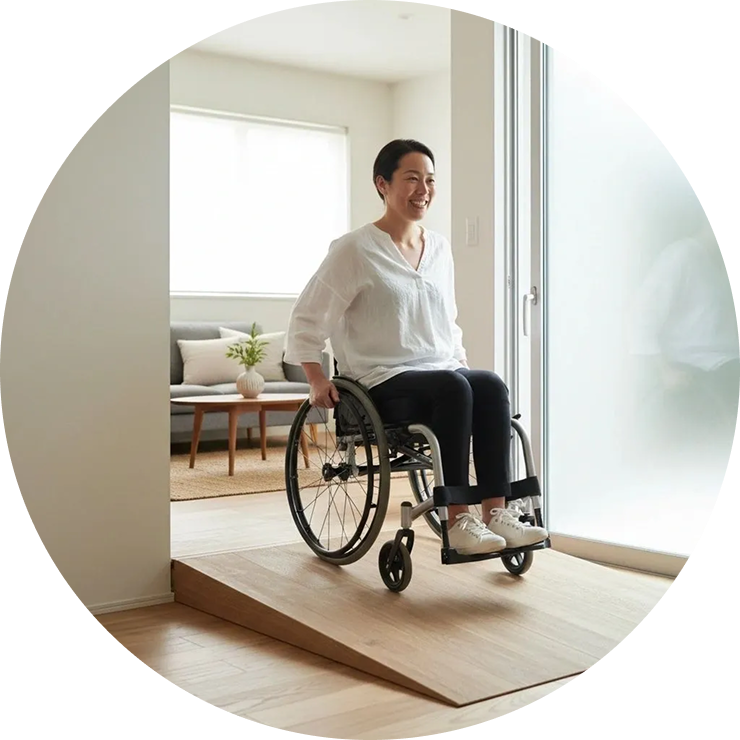
NDIS Home And Living Assessments
Home and living assessments look at how current or future living environments support safety, accessibility, and independence.
Recommendations may include environmental changes, assistive technology, or levels of support that help daily life feel more manageable and sustainable.
Practical Insight That Reflects Real Life
We offer a range of assessment services, guided by the purpose of the referral and what information will be most useful, not by a one-size-fits-all approach.


Developmental Assessments
Developmental assessments help build a picture of a child’s current skills across areas such as movement, play, communication, and self-care. executive functioning and sensory processing
These assessments highlight strengths as well as areas where support may be helpful and informing, providing a foundation for planning and everyday strategies.
Diagnostic Assessment Contributions
Occupational therapy assessments can contribute valuable information to multidisciplinary diagnostic processes, such as autism or developmental delay assessments.
We use standardised tools alongside clinical observation to understand how skills show up in everyday environments, supporting a more complete and meaningful picture.

School Support Assessments
School-based assessments explore how a child or young person is managing learning, attention, regulation, and participation in the classroom.
Reports include clear, practical recommendations that educators can use to support engagement, access to learning, and participation. These assessments may also support funding or planning processes where appropriate.
How Our Assessment Process Works
Thoughtful, Collaborative, And Person-Centred
Our assessment process is tailored to the individual and the purpose of the referral. This may include:
- Taking time to understand background information from families, schools, or support teams
- Observing participation in relevant everyday settings
- Using formal and informal assessment tools where appropriate
- Collaborating with other professionals, with consent
Throughout the process, we focus on how strengths and challenges impact everyday life, not just how someone performs in a single session.
Clear Information You Can Actually Use
Reports And Recommendations
Assessment reports are written in clear, accessible language and designed to support action, not overwhelm.
Reports may be used to support:
- Therapy planning and goal development
- Communication between families, schools, and professionals
- Funding applications or reviews
- Planning for transitions or changes in support
Recommendations are practical and grounded in real-life environments.
Understanding Assessment Pathways
Funding Options
Occupational therapy assessments may be accessed through:
- Private payment
- Medicare (where eligibility criteria are met)
- NDIS (for eligible participants & plan types)
Funding options and requirements are discussed before assessments begin, so expectations are clear from the start.
FAQs For Occupational Therapy Assessments
When your child is young and struggling, it’s normal to question whether support is needed or whether things will improve with time. These are some of the questions parents often ask.
How Do I Know If My Child Needs An OT Assessment?
Many parents seek an assessment because something doesn’t feel quite right, even if they can’t put their finger on it yet. An OT assessment can help clarify strengths, challenges, and whether any support may be helpful now or later.
What Does An OT Assessment Actually Involve?
An assessment may include conversations with you, observations, and formal or informal tools, depending on the purpose of the assessment. The focus is on understanding how skills show up in everyday life, not on putting your child under pressure.
Is An OT Assessment Used For Diagnosis?
Occupational therapists do not diagnose. However, OT assessments can contribute valuable information to multidisciplinary diagnostic processes by describing how skills present in real-world settings.
Can An OT Assessment Be Used For School Or Funding Support?
Yes. Depending on the assessment, reports may be used to support school planning, classroom adjustments, or funding applications such as NDIS. This is discussed beforehand to ensure the assessment meets its intended purpose.
Do You Do NDIS Functional Capacity Assessments?
Yes. Learn For Life OT provides NDIS functional capacity assessments and home and living assessments where appropriate to support planning and reviews.
Will You Talk To My Child’s School Or Other Professionals?
With consent, occupational therapists can liaise with schools, educators, and other professionals to gather information and support shared understanding.
Do We Have To Start Therapy After An Assessment?
No. An assessment can stand alone to provide clarity and guidance. Therapy options can be discussed separately if and when they feel appropriate.
What If I’m Not Sure Which Assessment We Need?
That’s very common. An initial conversation can help clarify what type of assessment, if any, would be most helpful based on your situation.
BOOK AN APPOINTMENT
Get Started with Learn for Life
Therapy for real life starts here. We make it simple.
1. Send us a referral or enquiry
2. We’ll be in touch within 1–2 business days
3. Meet your therapist, share your goals, and shape a plan together
4. Begin therapy where it suits you best