
“Just one more minute” turns into a meltdown. Does this sound familiar? You tell your child it’s time to leave the park and what follows is a complete shutdown, meltdown, or an all-out refusal to move. Or maybe switching off the TV before dinner feels like defusing a bomb every single night. Perhaps the first day back at school after holidays leaves your child anxious for days beforehand.
If any of that resonates with you, you are not alone.
So many families we work with here in Adelaide share the same story. Transitions and changes are one of the most common challenges that bring parents through our door, and it makes complete sense why.
So, Why Is This So Hard?
When we talk about transitions, we mean any shift from one activity, place, or expectation to another. That could be leaving the house in the morning, moving from playtime to homework, or coping with an unexpected change in plans.
For many children, especially those with sensory sensitivities, autism, or differences in executive functioning, these moments can feel genuinely overwhelming. It is not defiance or “being difficult.” Their brains are working really hard.
Here is why. Our brains love predictability. When a child knows what is coming next, they can feel safe and in control. When that predictability is disrupted, even by something small, it creates a kind of mental alarm system. For children who already find it harder to process sensory input, communicate their needs, or think flexibly, that alarm goes off louder and faster.
What This Can Look Like Day to Day
Transition difficulties do not always look the same in every child or every family. You might notice:
- Refusing to stop an activity, even one they were complaining about earlier
- Big emotions when plans change suddenly, even in small ways
- Clinginess or shutdown at drop-off, whether at school, daycare, or therapy
- Struggling to get started on the next task, even when they seem willing
- Needing a lot of time (and reminders) to move through morning or bedtime routines
These are all ways your child’s nervous system is communicating that they need more support to bridge the gap between “now” and “what comes next.”
Strategies That Actually Help
The good news is that there is a lot you can do at home and at school to make transitions feel more manageable. Here are some practical strategies to try:
Give a heads-up before it happens. A simple “five more minutes, then we are packing up” can make a huge difference. You can use a visual timer, a countdown on your phone, or a verbal warning at the five and two minute mark. The goal is to give their brain time to prepare.
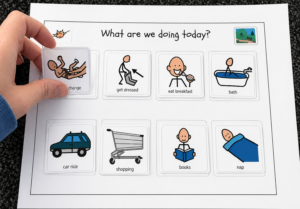
Use a visual schedule. Pictures, symbols, or written words that show the order of the day help your child know what is coming next without relying on memory or verbal instructions alone. Even a simple morning routine chart on the fridge can reduce daily friction significantly.
Have a backup plan ready. If your child finds unexpected changes particularly hard, try introducing the idea of a “Plan B” during calm moments. Talking through “what if” scenarios gently and ahead of time can take some of the sting out of a surprise.
Let them bring something familiar. A favourite toy, a small object from home, or even a sensory tool like a fidget or headphones can act as a comfort anchor during tricky transitions. It gives them something consistent in an otherwise unpredictable moment.
Offer a small choice. “Do you want to put your shoes on first or pack your bag first?” gives your child a sense of control within a structure you have already set. This can significantly reduce resistance without removing your expectations.
Practise during calm times. You can rehearse upcoming transitions when everyone is relaxed. If starting school is on the horizon, visiting the new classroom together beforehand can make that first day feel a lot less unknown. Repeat and celebrate small wins along the way.
Consider sensory supports. If your child finds certain environments overstimulating (busy carparks, noisy hallways, crowded places), sensory tools like noise-reducing earmuffs, a weighted lap pad, or a preferred scent can help regulate their nervous system during the transition.
Reframing the Behaviour
It can be easy to feel frustrated when a simple request turns into a standoff. But if we shift the lens slightly, what your child is actually doing is telling you something important: “I don’t feel safe enough yet to move forward.”
That is not a behaviour problem. That is a skill that is still developing.
With consistent support, predictability, and the right strategies in place, most children can and do grow their capacity to handle transitions. It takes time, it takes patience, and it looks different for every child.
You Are Doing Better Than You Think
Parenting a child who struggles with change is genuinely hard work. Every time you give that five minute warning, pull out the visual schedule, or let them bring their comfort toy to the car, you are doing something meaningful. You are helping their nervous system feel safer in a world that can feel unpredictable.
If you would like personalised support, an occupational therapist can work with you and your child to identify the specific reasons transitions are difficult and build a tailored plan that fits your family’s life. Here in Adelaide, our team at Learn for Life is always happy to help you find a path forward, one small step at a time.