
Why Won’t My Child Poo? Understanding Toileting Withholding and Constipation
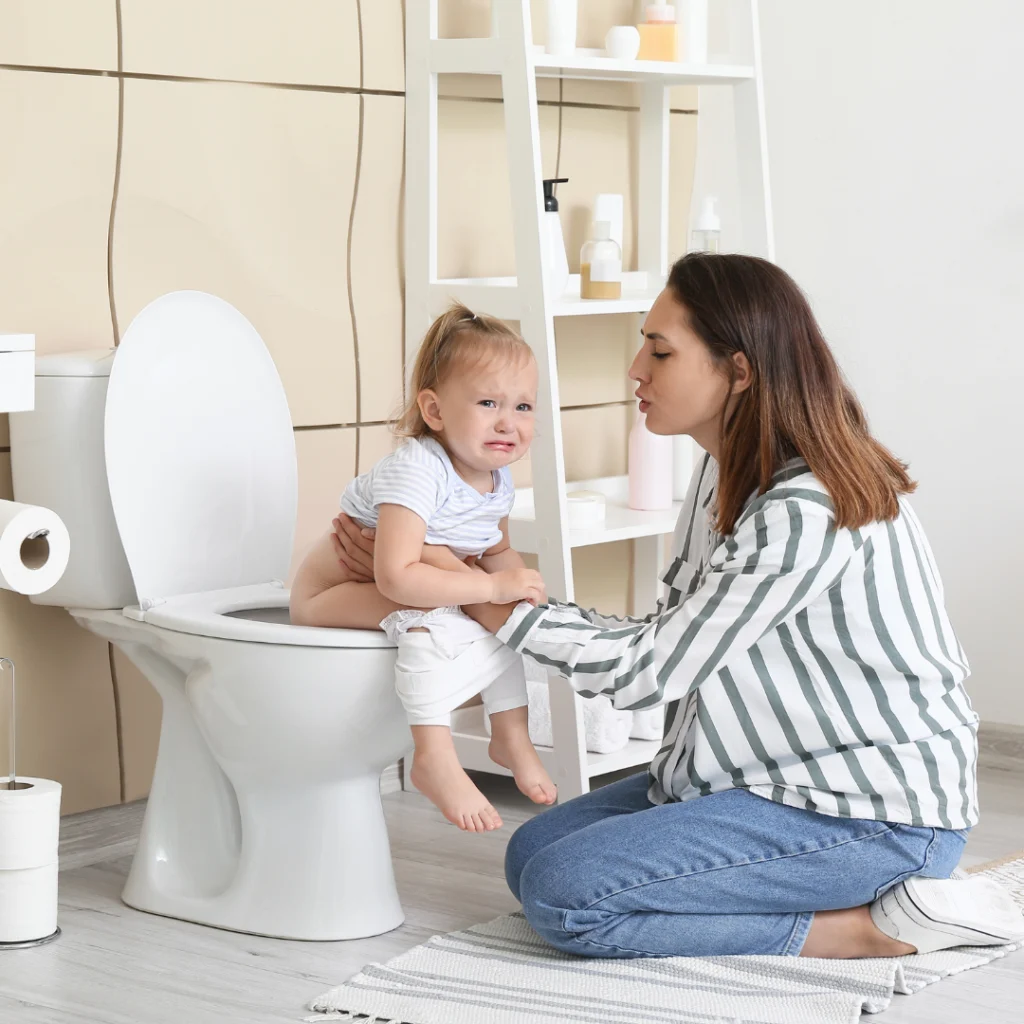
If your child is dancing around, crossing their legs, hiding behind the couch, or point-blank refusing to sit on the toilet, you are not alone. Toileting withholding is one of the most common and, honestly, one of the most exhausting challenges families bring to us at Learn for Life. And while it can feel like […]
The Hidden Sense: Understanding Interoception in Children

When we talk about sensory processing, most people think of the five senses we learn about in school: sight, sound, touch, taste, and smell. In occupational therapy, we also talk a lot about the vestibular system (balance and movement) and proprioception (body position and awareness). But there is another sensory system that is just as […]
Hand-Over-Hand “Help”: When Good Intentions Can Get in the Way
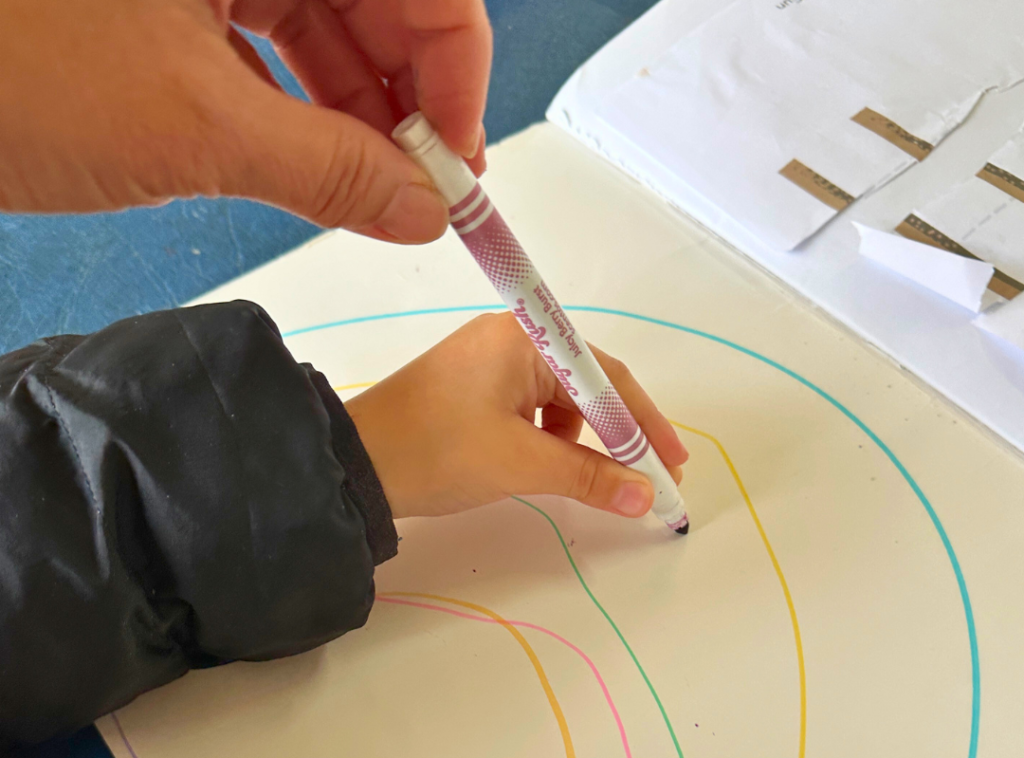
If you’ve ever gently guided a child’s hand to help them write their name, finish a puzzle, or press a button on their AAC device, you’re not alone. Hand-over-hand assistance is one of the most commonly used support strategies in classrooms, therapy sessions, and homes. It feels helpful. It gets the task done. But research […]
Understanding Sensory Diets and Strategies

Every child experiences the world differently. What feels comfortable, calming, exciting, or overwhelming for one child may feel completely different from another. You may notice your child constantly moving, seeking hugs, chewing on objects, avoiding loud places, or becoming overwhelmed after a busy day. These experiences can sometimes be connected to the way your child […]
Is My Child Oversensitive, or Is Something Else Going On?

Does your child cover their ears at birthday parties? Refuse to wear certain clothes because the fabric “feels wrong”? Spin or crash into furniture when they seem wound up, or go completely flat and zoned out when the day gets too full? You’re not imagining it. And it isn’t just a phase. For many children, […]
Signs Your Child May Need an Occupational Therapy Assessment

“Is this just a phase?” It’s one of the most common questions parents bring to us. And it’s a fair one. Children develop at different rates, and not every difficulty signals a problem that needs professional support. But some patterns are worth paying attention to. If your child’s challenges are showing up consistently across settings, […]
My Child Holds Their Pencil Differently: What Parents and Teachers Need to Know

Does your child wrap their thumb over their fingers when they write? Do they grip their pencil so tightly their knuckles go white, or hold it so loosely it keeps slipping? Maybe their teacher has mentioned their pencil grip at school, and now you are wondering whether it is something you should be worried about. […]
Sensory Processing Disorder in Children: What Parents Should Know

If your child covers their ears at birthday parties, melts down over sock seams, or seems to crash into everything on purpose, you may have wondered whether something more is going on. Sensory processing difficulties are one of the most common things occupational therapists see in children, and they can show up in ways that […]
OT Student Project: Regulation in Reach
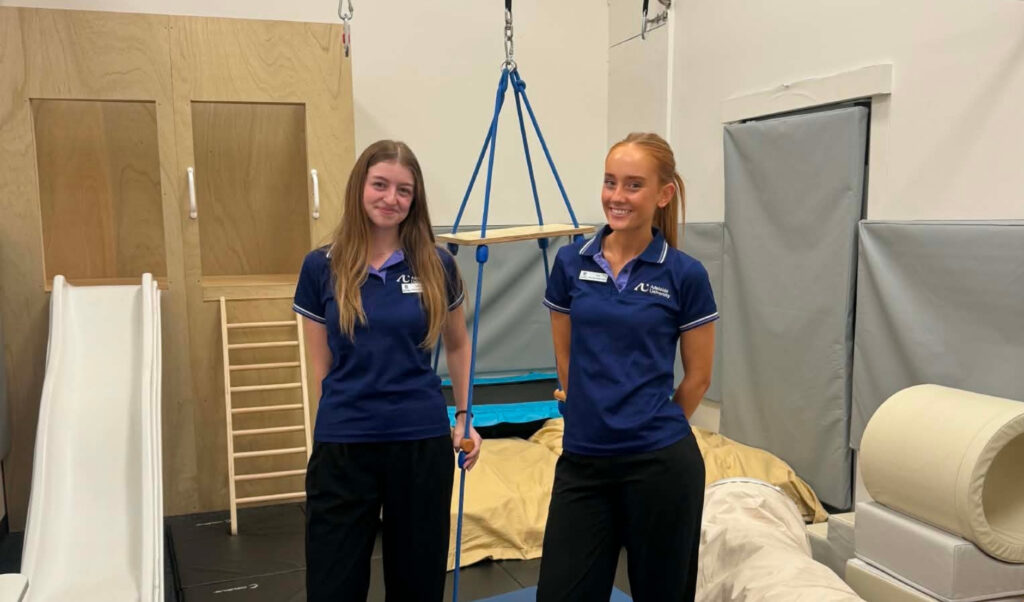
MEET BRIANNA AND ZOE OT Students We are final year Occupational Therapy students from Adelaide University, currently on 10-week placement at Learn for Life. You might spot us around! We’re always happy to chat, or you can reach us anytime by email: zoe.fuller@student.adelaide.edu.au brianna.thiele@student.adelaide.edu.au ABOUT THE PROJECT What is Regulation in Reach? Our project […]
Sleep Associations in Children: What They Are and Why They Matter

Does your child fall asleep easily at bedtime but wake multiple times through the night? Do they need you in the room to drift off, or rely on the TV being on, a specific blanket, or a particular position? And when those conditions aren’t there at 2am, does everyone end up awake? If so, sleep […]