
Steps to Eating: How Children Learn to Try New Foods

For many families, getting a child to try a new food can feel like the hardest part of the day. It can be tempting to think of eating as a single action, either your child eats the food or they do not. But eating is not one step. It is the very last step in […]
What Is a Food Jag? Understanding Food Jags and How to Help

If your child has ever eaten the same yoghurt, cut the same way, in the same bowl, every single day for three months, and then one morning pushed it away as though they had never liked it at all, you have met a food jag. Food jags are one of the most common things families […]
NDIS Early Childhood Intervention and What Parents Need to Know
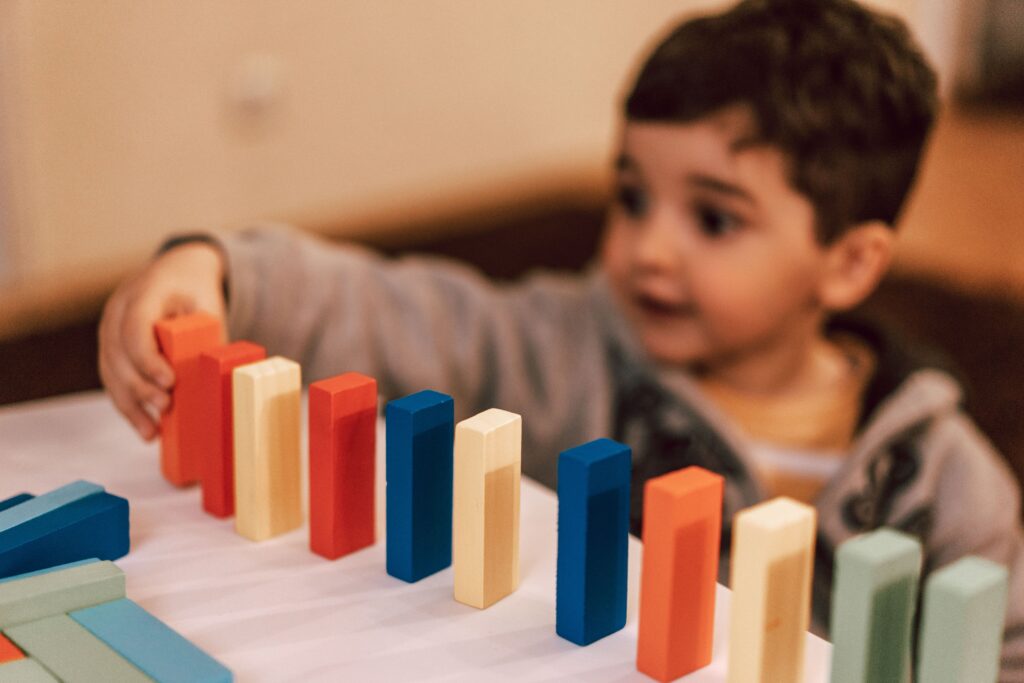
Noticing that your child is doing things differently, or later, than other children their age can be an unsettling experience. You may have heard the phrase early intervention, or been told to contact the NDIS, without anyone explaining what that actually involves. The good news is that support in Australia is designed to start early, […]
Zones of Regulation Explained: Helping Children Cope

Many parents first hear about the Zones of Regulation when their child comes home talking about being in the blue zone or the red zone. The framework has become a common language in Australian schools and therapy rooms, yet it is not always clear what the colours mean or how they help. This guide explains […]
How Occupational Therapy Supports School Participation

School asks a lot of children. Sitting on the mat, managing a lunchbox, holding a pencil, lining up, making friends, following instructions delivered to a whole class, and doing all of it in a busy, noisy room for six hours a day. For some children, one or more of these demands gets in the way […]
My Child Is Constantly Moving. Is It ADHD or Sensory Seeking?
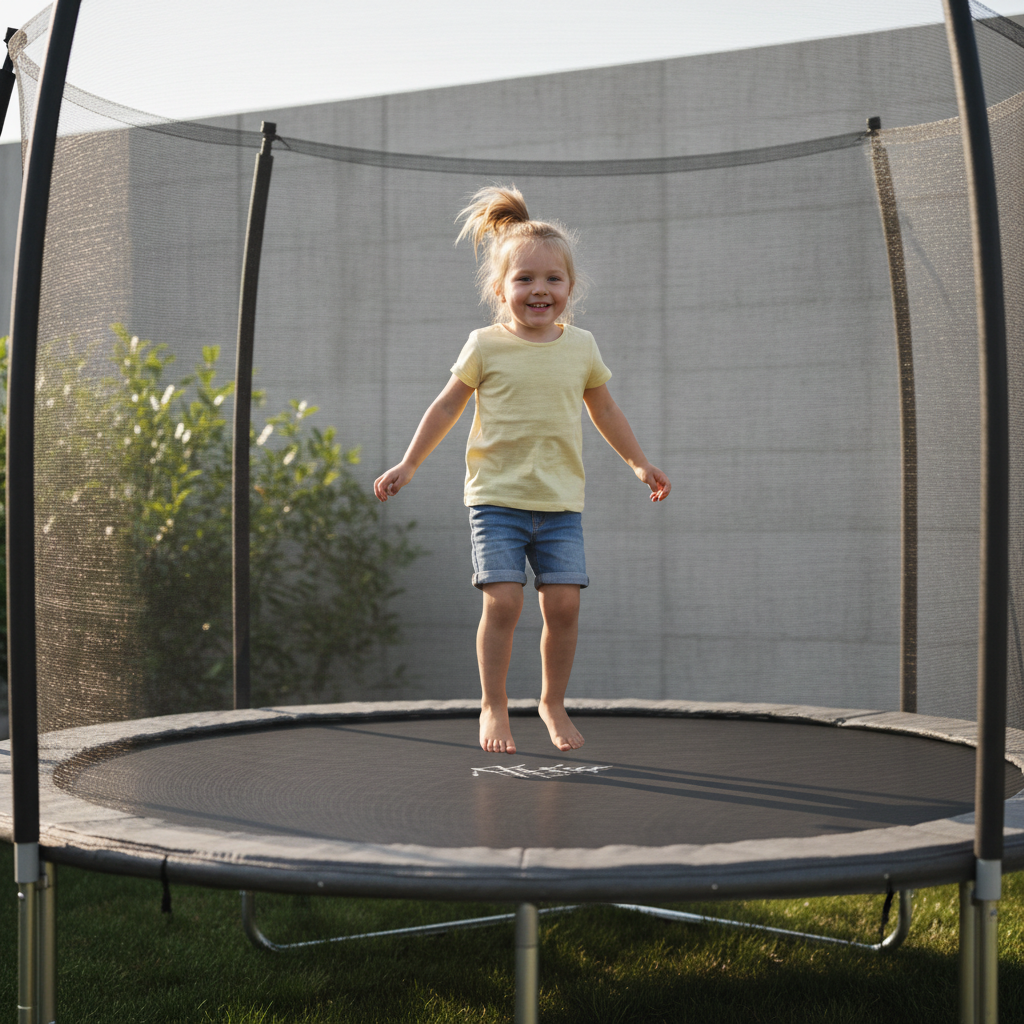
If you have a child who seems to be in constant motion, climbing the furniture, bouncing through the hallway, wriggling at the dinner table, you have probably wondered whether all that movement means something. Two possibilities tend to come up in conversations with teachers, family members and Dr Google: ADHD and sensory seeking. They can […]
Home, School or Clinic? How We Decide Where (and How Often) Therapy Happens

One of the questions we hear most often from families is simple but important: where should therapy actually happen? Should sessions be at home, at school, in the clinic, or some mix of all three? And how often is “enough”? There’s no single right answer. The best setting depends on what your child, teen or […]
Why Free Play Builds Self-Regulation in Children

For many of the children we see at Learn for Life, self-regulation is exactly the kind of skill families are hoping to support, whether that looks like big emotional reactions, difficulty coping with transitions, trouble sitting still during mealtimes, or finding it hard to calm down after an exciting or stressful moment. Interestingly, a recent […]
Auditory Processing Disorder in Children: Signs, Causes and Strategies That Help

If you have ever found yourself repeating the same instruction three or four times, or wondering why your child seems to “zone out” the moment there is background noise, you are not alone. Many parents come to us with similar stories, and one of the things we often explore together is whether a child might […]
Transition Objects: Small Comforts for Big Changes

Children move through many changes each day: getting dressed, leaving for childcare, packing up play, saying goodbye at the school gate. For many children, these in-between moments are the trickiest part of the day. A transition object can make these moments feel safer and more predictable. Here’s what they are, why they help, and how […]