
Following Instructions: Why It’s Harder Than It Looks

You have asked your child to put their shoes on. You have said it clearly, more than once, and still nothing happens. In a classroom, you give a three-step instruction and half the group is already off task. For parents and teachers, moments like these happen often, and they can be genuinely frustrating. It is […]
How Occupational Therapy Supports School Participation

School asks a lot of children. Sitting on the mat, managing a lunchbox, holding a pencil, lining up, making friends, following instructions delivered to a whole class, and doing all of it in a busy, noisy room for six hours a day. For some children, one or more of these demands gets in the way […]
Why Free Play Builds Self-Regulation in Children
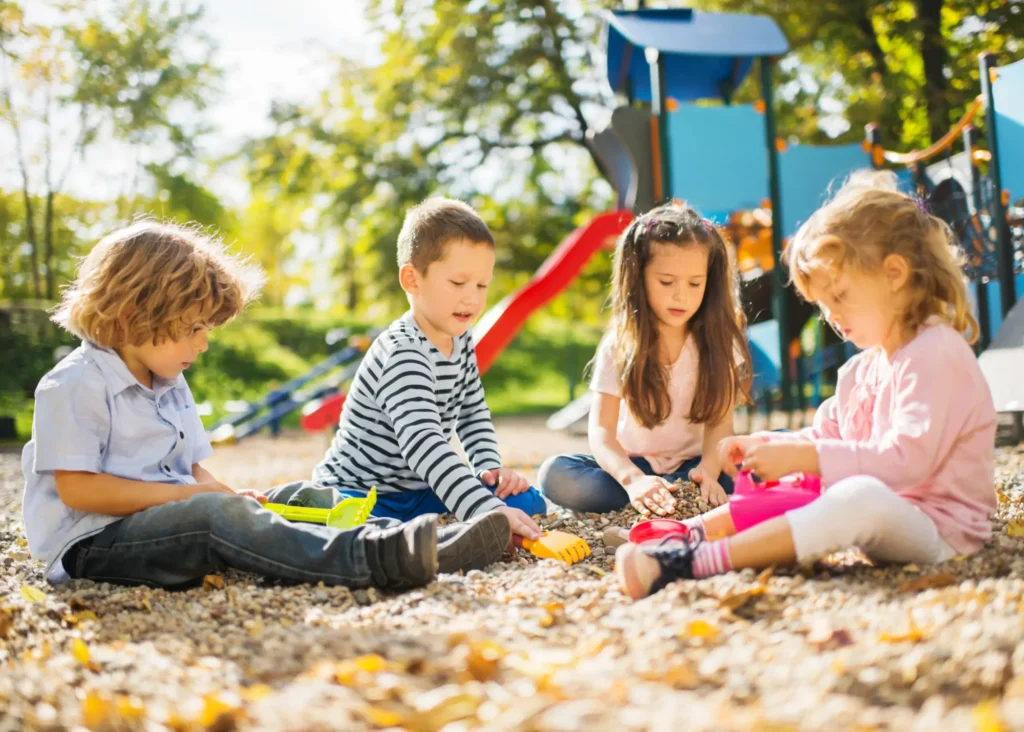
For many of the children we see at Learn for Life, self-regulation is exactly the kind of skill families are hoping to support, whether that looks like big emotional reactions, difficulty coping with transitions, trouble sitting still during mealtimes, or finding it hard to calm down after an exciting or stressful moment. Interestingly, a recent […]
Auditory Processing Disorder in Children: Signs, Causes and Strategies That Help

If you have ever found yourself repeating the same instruction three or four times, or wondering why your child seems to “zone out” the moment there is background noise, you are not alone. Many parents come to us with similar stories, and one of the things we often explore together is whether a child might […]
Transition Objects: Small Comforts for Big Changes

Children move through many changes each day: getting dressed, leaving for childcare, packing up play, saying goodbye at the school gate. For many children, these in-between moments are the trickiest part of the day. A transition object can make these moments feel safer and more predictable. Here’s what they are, why they help, and how […]
Why Your Child’s Eyes Might Be Making Learning Harder Than It Needs to Be

When a child struggles with reading, writing, or keeping up in class, the first instinct is often to look at attention, effort, or learning difficulties. But there’s another area that frequently gets overlooked: how their eyes move, and how their brain makes sense of what they see. At Learn for Life, we regularly work with […]
The Pyramid of Learning: Why the Basics Matter More Than You Think

At Learn for Life, we believe that understanding why a skill is difficult is just as important as working on the skill itself. One of the frameworks that guides our thinking is the Pyramid of Learning. The Pyramid of Learning helps us understand how skills build on one another, and why some children find certain […]
Why Is Learning So Hard for My Child? – Understanding Dyslexia, Dysgraphia, and Dyscalculia

Does your child come home from school exhausted, not from sport or play, but from thinking? Do they work twice as hard as their classmates just to keep up, only to bring home a page of crossed-out words or a maths worksheet that looks nothing like what you practised together the night before? Have you […]
Finding It Hard to Get Things Done? Strategies for Teens and Young Adults
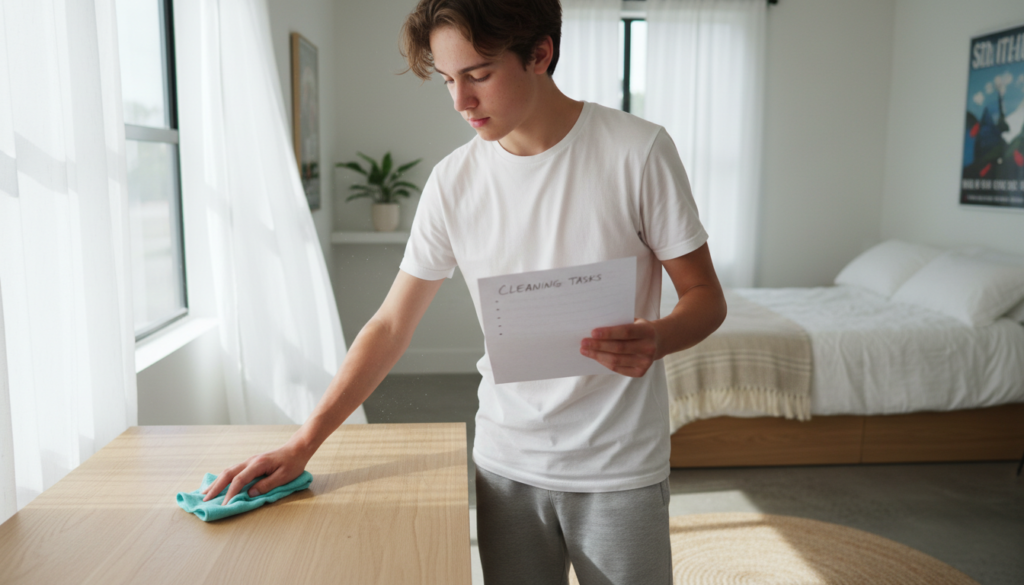
In this post, we’ll look at what executive functioning actually is, why it can feel so tricky during the teen and young adult years, and most importantly, some practical strategies that can make a real difference in everyday life. What Is Executive Functioning? Executive functioning is the set of mental skills that help us […]
Understanding the Window of Tolerance

Some days your child handles change with ease. Other days, putting on shoes becomes a crisis. It can feel baffling, even exhausting, when you can’t predict what kind of day it will be. This isn’t inconsistency or manipulation. There’s a reason for it. The window of tolerance is a concept developed by neuropsychiatrist Dr. Dan […]