
Conditions We Support
Fine Motor Skills
Fine motor skills are the small, precise hand movements your child uses to write, dress, eat and play. When they are still developing, everyday tasks can feel frustrating for your child and worrying for you. Our occupational therapists help children build these skills so daily life feels more achievable.

What Fine Motor Skills Are
- Small, precise movements: the muscles of the hands and fingers working together to hold, grasp, grip and pinch.
- The building blocks of daily tasks: doing up buttons, holding a pencil, using a fork and opening a lunch box.
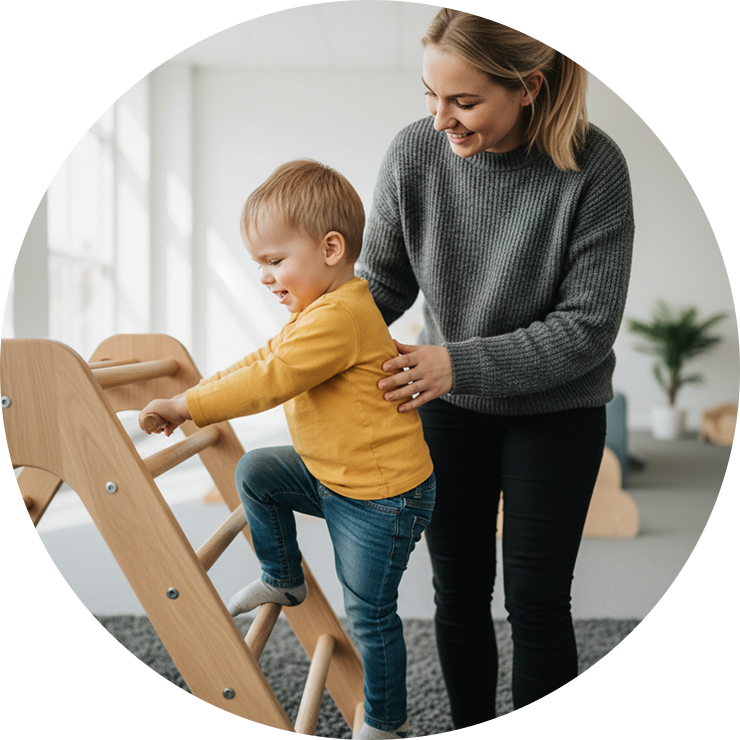
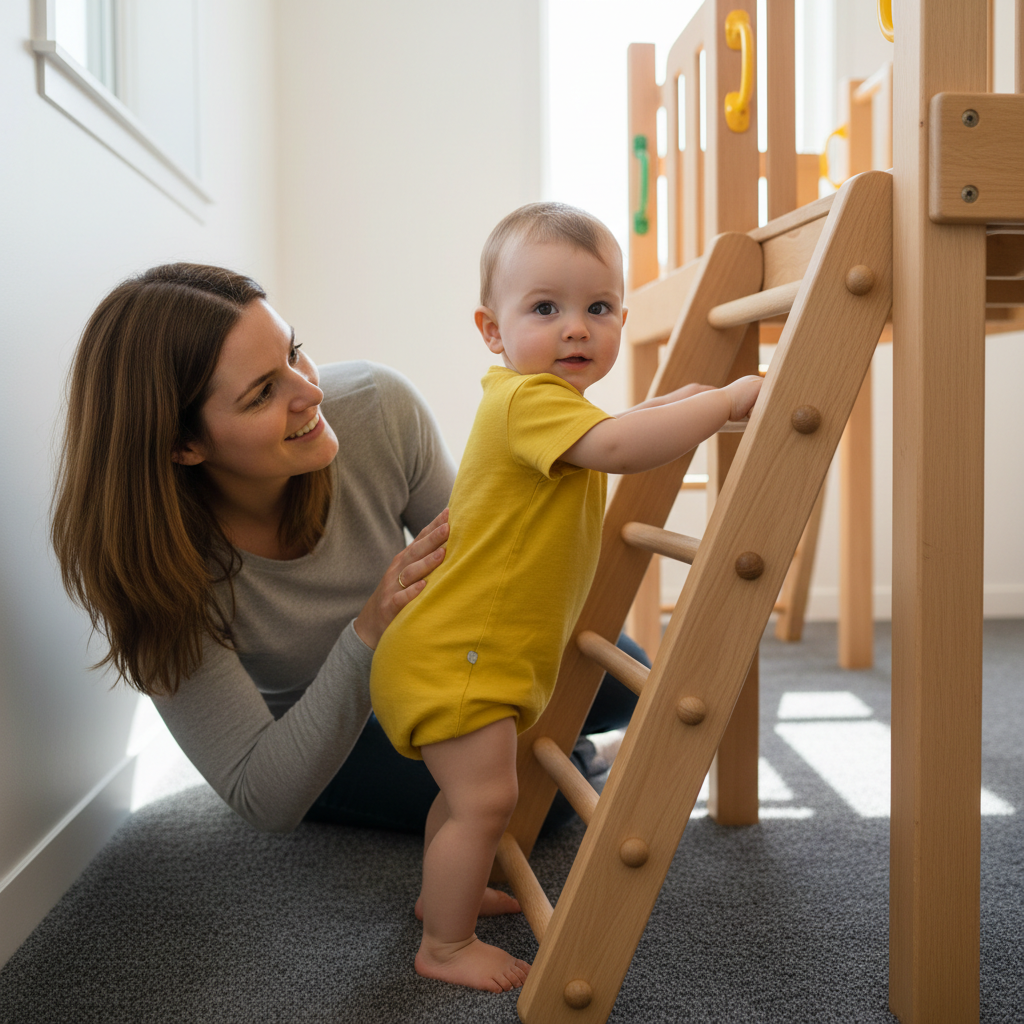
- Built on a stable base: core trunk control and shoulder strength give the arm and hand something steady to work from, so fine motor development depends on broader physical development too.
- Variation is normal: noticing where your child sits is simply a helpful starting point, not a verdict.

Why Fine Motor Skills Matter
- More than craft and play: they support independence in self-care, participation at school, and the handwriting demands of the early school years.
- Smoother daily routines: when these skills develop well, everyday tasks feel easier and a child can take part more fully in learning.
- Linked to wider development: Australian health guidance points to evidence connecting fine motor development with language, literacy and brain development.
- Layered on earlier foundations: fine motor ability sits on top of earlier skills, so strengthening the base often helps the skills above it grow.
Fine Motor Milestones by Age
Milestones are a guide, not a deadline. Children move through them at their own pace, and reaching one a little later than a chart suggests is not automatically a concern. Each stage assumes the earlier ones are broadly in place.
Age | Typical fine motor skills |
0 to 2 years | Reaches and grasps, pincer grasp by around 12 months, transfers objects hand to hand, scribbles, builds small block towers, begins self-feeding. |
2 to 5 years | Snips and cuts with scissors, threads beads, holds a crayon with fingers rather than a fist, copies shapes, writes their name, dresses independently. |
5 to 8 years | Uses a three-fingered pencil grasp, colours within lines, forms letters correctly, writes on the lines with endurance, ties shoelaces. |
Babies and toddlers (0 to 2 years)
- Reaching and grasping: move from reflexive grasping to reaching with control and picking up small objects with a pincer grasp.
- Passing and turning: transfer objects from hand to hand and turn pages.
- Early independence: begin to scribble, build a small tower of blocks, and bring a spoon to the mouth as self-feeding develops.
Preschoolers (2 to 5 years)
- Two to three years: snip with scissors, thread large beads, and hold a crayon with thumb and fingers rather than a fist.
- Three to five years: copy circles and simple shapes, use the non-dominant hand to steady their work, cut along a line, write their name, and dress more independently.
School-aged children (5 to 8 years)
- Pencil and colouring: settle into a three-fingered pencil grasp, colour within lines, and paste and glue with control.
- Writing endurance: form most letters and numbers correctly and write on the lines with growing endurance.
- Building and self-care: build with construction toys and learn to tie their shoelaces independently.
When to Seek Professional Help
Children reach milestones at different times, so timing alone is rarely the whole picture. Australian health guidance suggests seeking advice from a GP, child health nurse or occupational therapist if:
- Your two to three year old finds small objects tricky to manage, or is not yet scribbling or attempting to draw.
- Your child is tracking well below the usual milestones for their age over time.
- Hand skills are getting in the way of school participation or daily routines.
- Your child loses skills they previously had.
- You have a persistent concern, even if you are not sure quite why.
Early support is often beneficial, because each skill builds on the one before it. Seeking clarity is not an overreaction, and Many parents leave an initial consultation with practical strategies rather than a diagnosis.
How Occupational Therapy Supports Fine Motor Development
Occupational therapists assess how a child’s fine motor skills are developing and work alongside families on practical, play-based strategies tailored to the child’s goals and everyday routines. The focus is on real-life skills, from pencil control to dressing, in a way that feels achievable rather than clinical. Outcomes vary between children, and goals are set with you rather than for you.
Fine motor assessment
Assessment typically involves observing your child completing hand-based tasks, alongside a look at posture, core stability and shoulder control. Your therapist Will ask about daily routines, school demands and what you are noticing at home. Where appropriate, Learn for Life may provide a written report to support communication with schools, funding bodies or other health professionals. All assessments are completed in line with professional and ethical standards.
Therapy and everyday strategies
Support may include building hand and finger strength, developing pencil grasp and control, improving scissor skills, and adapting tasks or equipment so your child can participate more comfortably. The Learn for Life approach is neurodiverse-affirming, strengths-based and family-centered, beginning with what your child can already do and building from there.
Where We Deliver Fine Motor Support in Adelaide
Hand skills need to work in the settings your child uses them, so learn for life delivers therapy where it suits your family, including:
- Clinic-based sessions in Torrensville.
- Home visits across Adelaide.
- School, kindy or early learning settings, with consent.
- Telehealth, where clinically appropriate.
Where helpful, your therapist can collaborate with teachers and educators so that strategies carry across home, therapy and the classroom.
How to Access Support in Adelaide
Occupational therapy for fine motor skills May be accessed through:
- Private payment.
- Medicare, where eligibility criteria are met.
- NDIS, for eligible participants and plan types.
Funding and fees are discussed during your initial consultation, so you feel clear and informed from the start. Eligibility for rebates and funding varies between families and plans.
Frequently Asked Questions:
Fine motor concerns often surface at the same points: Starting school, learning to write, or the first parent teacher meeting. These are the questions we hear most often.
What Are Fine Motor Skills in Children?
Fine motor skills are the small, precise movements made with the muscles of the hands and fingers. They allow a child to hold, grasp, grip and pinch, which underpins everyday tasks such as doing up buttons, holding a pencil, using a fork and opening a lunch box. These hand skills rest on a stable base of core and shoulder strength, so broader physical development matters too. A wobbly base makes precise hand work considerably harder.
At What Age Should My Child Hold a Pencil Properly?
Most children settle into a three-fingered pencil grasp somewhere around five to six years of age, after progressing through fisted and whole-hand grasps in the preschool years. Milestones are a guide rather than a deadline, and grasp patterns vary. What matters more than the exact grip is whether your child can write with reasonable control and endurance, without pain or excessive fatigue. If handwriting is effortful or avoided, it is worth a conversation.
What Might I Notice If Fine Motor Skills Are Still Developing?
Patterns worth gently noticing over time include hand or finger strength that is still building and tires quickly, a pencil grasp that is fisted or still changing, steering away from drawing, cutting and craft, handwriting that takes noticeably more effort than it does for others the same age, and buttons, cutlery or fiddly toys asking for extra effort. One off day is nothing to read into. A consistent pattern that is getting in the way of school or daily routines is worth raising.
When Should I Seek Help for My Child's Fine Motor Skills?
Australian health guidance suggests speaking with a GP, child health nurse or occupational therapist if a two to three year old finds small objects tricky or is not yet scribbling or attempting to draw, if your child is tracking well below the usual milestones for their age over time, if hand skills are getting in the way of school or daily routines, or if your child loses skills they previously had. A persistent parental concern is reason enough on its own. Early support is often helpful because each skill builds on the one before.
Does My Child Need a Diagnosis to See an Occupational Therapist?
No. Occupational therapy focuses on how your child is managing everyday activities rather than on diagnostic labels. Many families reach out simply because writing, dressing or cutting looks harder for their child than it seems to be for others the same age. That is a valid reason to seek support. If a referral or further assessment would be useful, your therapist can talk you through the options.
What Happens During a Fine Motor Assessment?
An assessment typically involves observing your child completing hand-based tasks such as drawing, cutting, threading and manipulating small objects, alongside a look at underlying posture, core stability and shoulder control. Your therapist Will ask about daily routines, school demands and what you are noticing at home. Where appropriate, standardised measures May be used. You then receive clear feedback and, if helpful, a written report and practical recommendations.
Can occupational therapy improve my child’s handwriting?
Occupational therapy May support handwriting by working on the foundations underneath it: Postural stability, shoulder and hand strength, pencil control, visual motor coordination and letter formation. Sessions are practical and play-based rather than drill-focused. Progress varies between children and depends on the underlying factors involved. Where vision, attention or sensory processing is also contributing, your therapist May recommend involving other professionals.
Are Fine Motor Skills Linked to Other Conditions?
They can be. Emerging fine motor skills are commonly seen alongside developmental coordination disorder, autism, ADHD, cerebral palsy and other developmental differences, though they also show up in children with no additional diagnosis. Vision and motor skills work closely together, so what is happening in one area can influence the other. An assessment aims to understand what is contributing rather than to assume a single cause.
What Activities Help Build Fine Motor Skills at Home?
Everyday play works well: Drawing, painting, gluing and cutting with safety scissors, threading beads or pasta onto string, rolling and shaping playdough, building with blocks or construction toys, using tongs or tweezers to pick up small objects, and involving your child in dressing and practical household tasks. Keep it low pressure and short. Small, regular moments tend to be more useful than Long sessions, and progress of any size is worth celebrating.
How Can I Fund Occupational Therapy for Fine Motor Support?
Sessions May be accessed through private payment, medicare where eligibility criteria are met, or ndis funding for eligible participants and plan types. Eligibility varies between families and plans, so the options are discussed during your initial consultation. If you are unsure which pathway applies to your situation, you are welcome to ask before booking. Fee information is provided upfront so you can decide what works for your family.
BOOK AN APPOINTMENT
Talk to an Adelaide OT About Your Child's Hand Skills
If handwriting feels like a daily uphill, or your child tends to steer clear of anything involving scissors and pencils, you do not have to work it out on your own. An initial consultation is a Chance to share what you are noticing, ask questions, and understand what support could look like. There is no pressure to commit to ongoing sessions.
Get in touch with learn for life to talk through whether occupational therapy is the right next step for your child.