
Conditions We Support
Feeding Support and Feeding Therapy for Children
Dinner has become a standoff, the same three foods on repeat, and another plate pushed away. Eating asks a lot of a young child, and working with an occupational therapist helps you understand what is behind the struggle so mealtimes feel calmer and more manageable for the whole family.
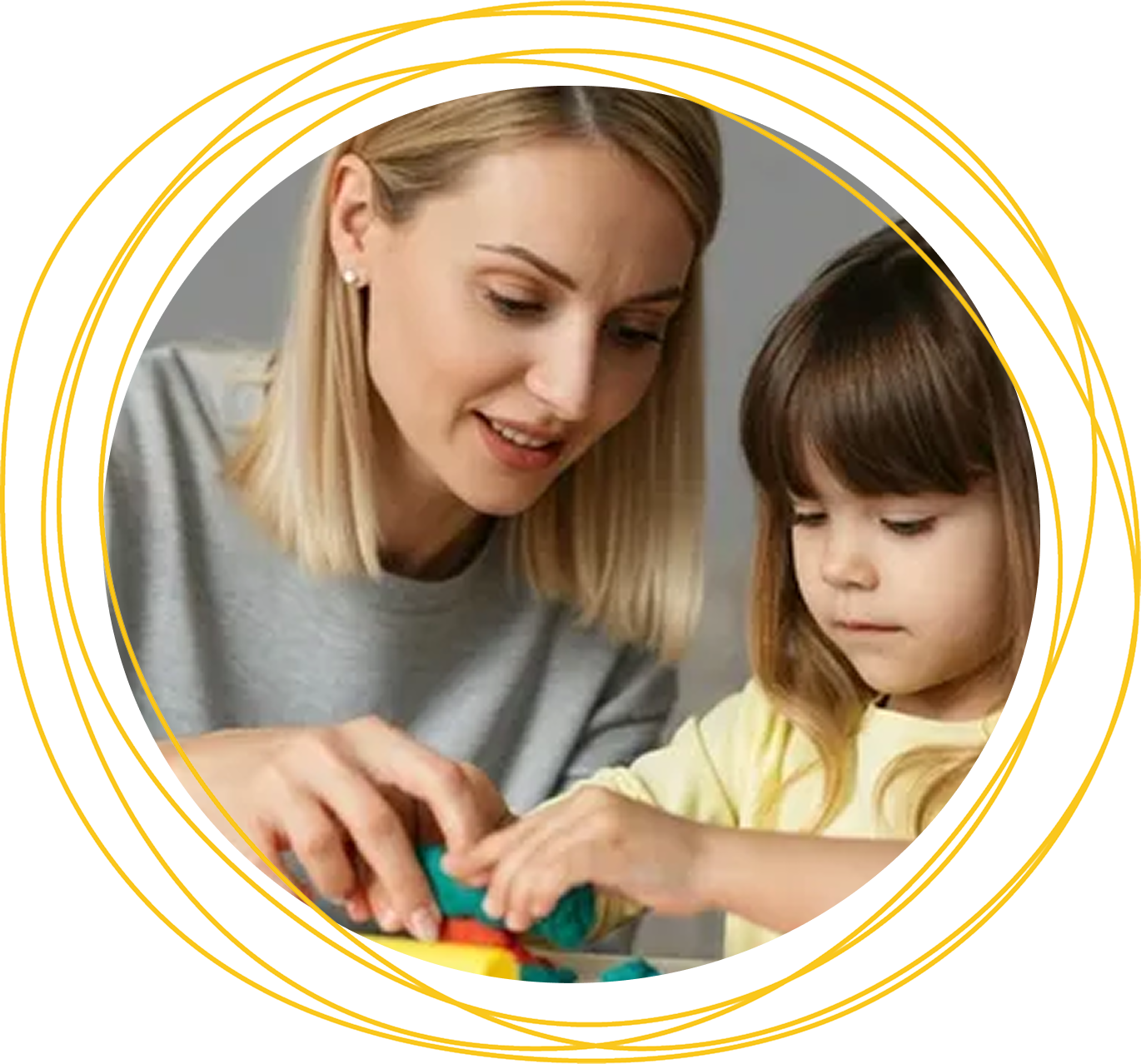


Support for Fussy Eaters and Mealtime Struggles
Dinner has turned into a standoff, the same three foods on repeat, and a plate pushed away again. If mealtimes with your child feel harder than they should, occupational therapy can help you understand what is behind the struggle and what to do next.
Eating is one of the most complex things we ask young children to do. It draws on their senses, muscles, emotions and comfort with new experiences, so when any of these feels hard, mealtimes can become stressful for the whole family. Learn for Life offers gentle, practical feeding therapy that helps eating feel calmer and more manageable, for your child and for you.

How Feeding Therapy Can Help Your Child
Occupational therapy may help your child who finds eating and mealtimes more challenging than expected, including difficulties with:
- Eating only a small or shrinking range of foods
- Strong reactions to the taste, smell, texture, or look of food
- Gagging, spitting out, or avoiding certain textures
- Sitting at the table, staying seated, or coping with mealtime routines
- Chewing, moving food around the mouth, or managing different textures
- Big emotions, anxiety, or distress around eating and trying new foods
Your child does not need a diagnosis to access feeding support. Many families reach out simply because eating has become stressful and they want guidance on what to try next.
How We Deliver Feeding Support for Children
Learn for Life can deliver feeding therapy in a way that suits your child and your family, including through:
- Clinic-based sessions at our Torrensville clinic
- Home visits, where mealtimes actually happen
- Early learning or preschool settings (with consent)
- Telehealth, where appropriate
Where helpful, your therapist can work alongside you and, with your consent, early childhood educators or other health professionals, so support stays consistent across the places your child eats.

What Occupational Therapy Feeding Support Focuses On
Feeding therapy looks at the whole picture of why eating might feel hard for your child, then builds gentle steps forward. Depending on your child’s needs, therapy may focus on:
- Reducing stress and pressure around food and mealtimes
- Building comfort and curiosity with new foods at your child’s pace
- Supporting the sensory and physical skills involved in eating
- Developing positive mealtime routines that work for your family
- Adapting the environment, seating, or foods to make eating easier
- Growing your child’s confidence and independence at the table
We set goals together with you and review them regularly, so support stays relevant as your child grows and their eating develops.
Support for Parents and Caregivers at Mealtimes
Feeding worries can be exhausting and isolating. You may have tried everything, received plenty of conflicting advice, and still dread the next mealtime.
Feeding therapy is not only about your child. Support can also include:
- Clear explanations of what may be affecting your child’s eating
- Practical strategies that fit into your family’s real routines
- Guidance that feels manageable, not one more thing to get right
Feeding Assessments and Reports
Some children benefit from an assessment to better understand their eating, strengths, and support needs. Where appropriate, Learn for Life may provide:
- Occupational therapy feeding assessments
- Written reports to support communication with early learning settings, funding bodies, or other health professionals
All assessments are completed in line with professional and ethical standards.
How to Access Feeding Therapy Services
Feeding support may be accessed through:
- Private payment
- Medicare (where eligibility criteria are met)
- NDIS (for eligible participants and plan types)
Funding options are discussed during your initial consultation, so you feel clear and informed from the start.
Frequently Asked Questions
When your child is little and still learning to eat, it is natural to wonder whether support is needed or whether things will settle on their own. These are some of the questions parents often ask.
How Do I Know If My Child Needs Feeding Therapy?
If eating has become a daily source of stress, your child eats only a narrow range of foods, or mealtimes regularly end in distress, feeding therapy may help. An occupational therapy assessment can clarify what is making eating hard and whether support would be useful now or later. Many parents find that even an initial consultation offers reassurance and a clearer path forward. You do not need to wait until things reach a crisis point to reach out.
Is My Child Just a Fussy Eater, or Is It Something More?
Many children go through fussy stages, and plenty settle with time. It can be worth looking more closely when the range of foods keeps shrinking, whole textures or food groups are refused, mealtimes cause real distress, or eating is affecting growth, energy, or family life. Feeding therapy can help you understand what sits behind the behaviour, whether that is sensory sensitivity, anxiety, or physical skills, and what might genuinely help your child move forward.
Does My Child Need a Diagnosis to Access Feeding Support?
No. Your child does not need a diagnosis to see an occupational therapist for feeding support. Therapy focuses on how your child is managing eating and mealtimes, not on labels. Many families come to us simply because something about eating feels harder for their child than it seems to be for others the same age. That is reason enough to reach out and explore what support could look like.
What Happens in a Feeding Therapy Session?
Sessions are relaxed, playful, and led by your child’s comfort rather than pressure to eat. Your therapist will get to know your child, gently explore their relationship with food, and introduce small, achievable steps. Early sessions often focus on building trust and easing stress before any new foods are involved. You are part of the process throughout, learning strategies you can carry into everyday mealtimes at home.
Can Occupational Therapy Help With Sensory Food Aversions?
Yes. Sensory sensitivity is one of the most common reasons eating feels difficult for young children. Textures, smells, temperatures, and even how food looks can feel overwhelming. Occupational therapy can help by gradually and gently building your child’s comfort with a wider range of sensory experiences, at a pace that feels safe. The aim is to ease the stress around food so your child can approach new foods with more curiosity and less anxiety.
My Child Gags or Refuses Whole Food Groups. Can You Help?
Gagging, avoiding certain textures, and refusing entire food groups can all be signs that eating feels genuinely hard, rather than simply stubborn. Occupational therapy can help explore what might be contributing, whether that is sensory, oral-motor, or emotional, and support your child with small, manageable steps. If there are concerns about swallowing, choking, or nutrition, your therapist can also help you coordinate with your GP or other health professionals so your child is well supported.
Will You Make My Child Eat Foods They Do Not Like?
No. Pushing, bribing, or forcing food tends to increase stress and make eating harder over time. Feeding therapy works the other way, by lowering pressure and rebuilding a positive relationship with food. Your child moves at their own pace, and progress often begins with simply being near, touching, or exploring a food long before tasting it. The goal is a calmer, more confident eater, not a set number of foods by a set date.
How Is Feeding Therapy Different From Speech Pathology?
Occupational therapists and speech pathologists both support children with eating, and often work together. Occupational therapy tends to focus on the sensory, motor, emotional, and environmental sides of mealtimes, such as sensitivity to textures, sitting and self-feeding, and stress around food. Speech pathology often focuses more on chewing, swallowing, and oral-motor skills. Which is the better fit depends on your child, and your therapist can help you work out the right support or referral.
Is My Child Too Young for Feeding Support?
There is no age that is too young to seek guidance about eating. If mealtimes are stressful or your child’s eating is worrying you, an assessment can help you understand what is happening and whether support would help now or later. Early, gentle support is not about rushing your child. It is about understanding their needs and deciding together what the right next step is for your family.
This page is intended for general information purposes only and does not constitute medical advice. Please consult a qualified health professional for advice tailored to your child’s individual needs.